
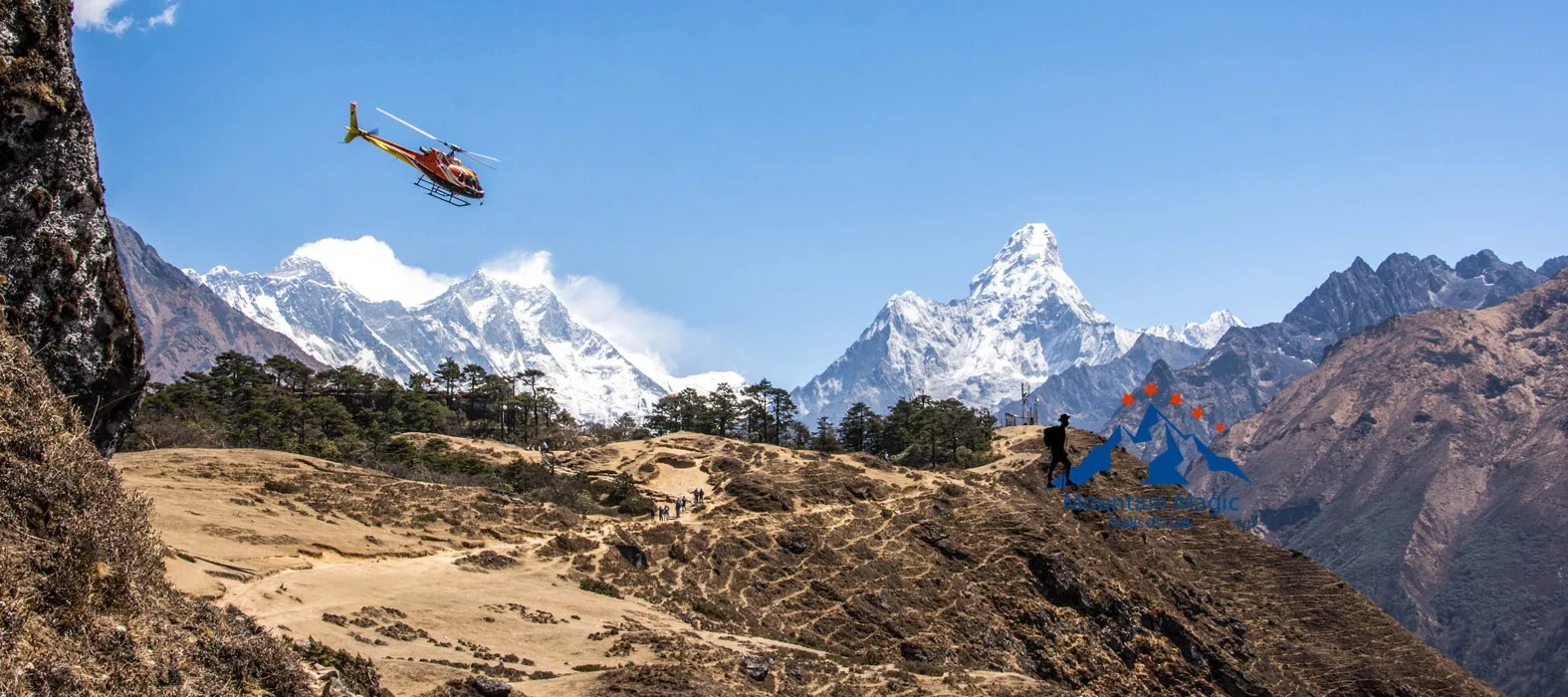
Not everyone can take two or three weeks away from work for a mountain trip.
That does not mean you have to give up on the dream of reaching Everest Base Camp. The Everest Base Camp Trek With Helicopter Return is designed for travelers who want to experience the famous trail while cutting down the time spent walking back.
The listed trip takes 10 days from arrival to departure in Kathmandu. You trek through the Everest region, reach Everest Base Camp and Kala Patthar, and then return by helicopter instead of retracing the full route on foot. The highest point of the itinerary is about 5,545 meters.
But saving time does not mean rushing.
In fact, good time management becomes even more important when trekking at high altitude.
Start With a Realistic Idea of Your Energy
A common mistake is to look at the distance and think, “I can walk that.”
High-altitude trekking does not work like a normal walk.
A short distance can take much longer when the trail is steep, the ground is rocky, and the air contains less oxygen. Your walking speed naturally becomes slower.
Do Not Chase the Clock
You are not competing with anyone on the trail.
Walking too quickly can leave you exhausted later in the day. A steady pace is usually more useful than trying to cover ground as fast as possible.
Take small breaks when needed.
Drink water regularly.
Eat even when your appetite is lower than normal.
These simple habits can make the higher sections much easier to manage.
Use Your Rest Days Properly
The itinerary includes acclimatization stops at Namche Bazaar and Dingboche. These days are important because your body needs time to adjust as you climb higher.
A rest day does not have to mean staying inside your room.
A short walk around the area can help you stay active without adding too much stress.
Namche Is a Good Place to Reset
Namche Bazaar sits at about 3,440 meters.
It is one of the busiest settlements on the trail, so it is also a useful place to check your gear, buy small items, enjoy a meal, and prepare for the days ahead.
Do not waste the acclimatization day trying to do too much.
Your body is doing important work even while you are resting.
Keep Your Packing Simple
There is no reason to carry half your house to Everest.
The trip uses tea house accommodation during the mountain portion, so your packing should focus on useful items rather than comfort items you probably will not need.
What Deserves Space in Your Bag?
Your basic gear should cover changing weather, cold nights, sun exposure, and long walking days.
Useful items include:
-
Warm base layers
-
Fleece or insulated jacket
-
Waterproof outer layer
-
Comfortable trekking shoes
-
Warm gloves
-
Hat and sun protection
-
Sunglasses
-
Reusable water bottles
-
Headlamp
-
Personal medication
-
Small first-aid supplies
-
Power bank
-
Light daypack
The goal is simple.
Take what you need and leave the unnecessary weight behind.
Food Becomes Part of Your Strategy
Long trekking days require fuel.
The trip information lists breakfast, lunch, and dinner as included meals.
That matters because you need regular energy as you climb.
Eat Even When You Are Not Hungry
High altitude can affect your appetite.
You may not feel like eating a large meal, but skipping food can leave you with even less energy.
Simple meals are often easier to handle. Rice, potatoes, noodles, soup, vegetables, eggs, and other common trekking foods can provide useful energy without making meals complicated.
Warm food also feels especially good after a cold day outside.
Plan for the Cold Before You Feel It
The lower parts of the trail may not feel extremely cold during the daytime.
That can create a false sense of security.
Conditions become much colder as you approach Gorakshep, Everest Base Camp, and Kala Patthar.
Layering Is Better Than One Huge Jacket
Several light layers give you more control.
You can remove one when walking uphill and add it again when the temperature drops.
This is much more useful than wearing one heavy jacket all day.
The wind can also make conditions feel colder than the actual temperature suggests.
Keep Your Important Things Close
A trekking bag is not just for clothes.
You will probably carry items that you need during the day, so organize them properly.
Keep your water bottle easy to reach. Store your sunglasses where you can grab them quickly. Keep your phone or camera protected from moisture and cold.
Protect Your Electronics
Cold weather can reduce battery life.
A phone that lasts all day at home may struggle in the mountains.
Keep spare batteries or a power bank protected from extreme cold when possible. Also keep electronics away from moisture.
You do not want your camera to stop working just when the mountains look their best.
Know What Happens at the Highest Sections
The trek eventually reaches Gorakshep, Everest Base Camp, and Kala Patthar.
According to the listed itinerary, Kala Patthar is the highest point at about 5,545 meters.
At this altitude, even simple walking can feel demanding.
High Altitude Requires Patience
You may breathe harder after a short climb.
That does not automatically mean something is wrong, but it is a reminder to slow down and listen to your body.
If you develop serious or worsening symptoms, tell your guide immediately.
Do not try to hide a problem because you are afraid of missing Base Camp.
A safe decision is more important than a photograph.
Save Some Energy for the Final Morning
Many trekkers focus so heavily on Everest Base Camp that they forget another major part of the itinerary comes afterward.
The climb to Kala Patthar is an important highlight.
From there, you can see Everest and several surrounding peaks from a high viewpoint.
Early Morning Can Be Worth the Effort
The mountain light changes quickly around sunrise.
The peaks can appear dark at first and then slowly catch the morning sun.
If the weather is clear, this can be one of the most memorable views of the entire trip.
Bring warm layers.
You will be standing still in very cold conditions, and that feels much different from walking.
The Helicopter Return Saves More Than Walking Time
This is the main reason many travelers choose this itinerary.
After reaching the high points of the trek, you do not need to spend several more days walking back through the same villages.
The listed plan uses a helicopter from the Gorakshep area toward Kathmandu, with possible short stops depending on conditions and flight operations.
The Return Is Also a Sightseeing Experience
The helicopter changes your view of the entire region.
On foot, you see one section of the landscape at a time.
From the air, the valleys, glaciers, rivers, villages, and mountain ridges come together into one huge picture.
You may even recognize sections of the trail you walked several days earlier.
That makes the return flight more than simple transportation.
Leave Room for Weather Changes
This is one thing travelers should understand before booking a mountain helicopter trip.
Weather is unpredictable.
Clouds, wind, visibility, and other conditions can affect helicopter operations. The trip page specifically notes that weather and wind can influence the return route and possible stops.
Flexibility Is Part of the Trip
Do not plan an important international connection immediately after the expected helicopter arrival without allowing extra time.
Mountain schedules can change.
A little flexibility can prevent a lot of stress.
Who Benefits Most From This Itinerary?
The Everest Base Camp Trek With Helicopter Return makes the most sense for travelers who value their time but still want to experience the classic trekking route.
It can be a good fit for:
-
Professionals with limited vacation days
-
First-time Everest trekkers with proper preparation
-
Couples looking for a shorter return
-
Small groups
-
Travelers who dislike repeating the same trail
-
People who want to see the Himalayas from both ground and air
The trip is still rated moderate to strenuous, with around 6 to 7 hours of activity per day listed in the itinerary.
So be honest about your fitness.
The helicopter does not remove the demanding climb to Base Camp.
When Should You Plan the Trip?
The trip page lists February through May and September through December as the best months. It also highlights spring and autumn as the main periods for favorable trekking and flight conditions.
Spring Brings a Different Landscape
March through May can offer warmer daytime conditions and blooming rhododendrons at lower elevations.
As you climb higher, the scenery becomes more rugged and less green.
Fall Often Brings Clear Mountain Views
September through November is another popular period.
After the monsoon season, skies are often clearer, which can be helpful for both mountain views and helicopter operations.
Still, no season guarantees perfect weather.
Mountain conditions can change without much warning.
Final Thoughts
The Everest Base Camp Trek With Helicopter Return is not about finding a shortcut through the Himalayas.
It is about using your available time wisely.
You still walk through the Khumbu, experience local villages, spend nights in tea houses, adjust to high altitude, reach Everest Base Camp, and climb Kala Patthar. The helicopter simply changes how you finish the adventure.
The smartest approach is not to rush.
Prepare properly. Pack carefully. Eat well. Respect the altitude. Give yourself room for weather changes.
Then let the mountains set the pace.
When the helicopter finally lifts away from the Everest region, you will have more than a photograph of Base Camp. You will have spent days walking through one of the world’s most remarkable mountain landscapes.
FAQs
How long is the Everest Base Camp Trek With Helicopter Return?
The listed itinerary is 10 days from arrival to departure in Kathmandu.
How many hours do trekkers walk each day?
The itinerary lists around 6 to 7 hours of activity per day, although actual walking time can vary depending on the route, weather, and individual pace.
Where does the helicopter pick up trekkers?
The listed return plan uses pickup around Gorakshep or a nearby higher point, depending on weather and operating conditions.
What is the highest point?
Kala Patthar is listed at about 5,545 meters.
Is the helicopter return affected by weather?
Yes. Wind and visibility can affect helicopter operations, so travelers should keep some flexibility in their schedule.